
The Insurance Claim You're Probably Entitled to After the Record-Breaking Blizzard of 2026 - And How Not to Mess It Up!
The Insurance Claim You're Probably Entitled to After the February Blizzard — And How Not to Mess It Up
If your home took a hit from the recent February blizzard, you may be sitting on a legitimate insurance claim and not even know it. Ice dams, roof damage, burst pipes, fallen trees — these are all typically covered under a standard homeowner's policy. But how you handle the next few days and weeks will determine whether you get a fair payout or leave hundreds (or thousands) of dollars on the table.
Here's what you need to know, in plain English.
First: What's Usually Covered (and What's Not)
Most standard homeowner's policies in Rhode Island and Massachusetts cover sudden and accidental damage from winter storms. That includes:
- Roof damage from snow load, ice, or wind
- Ice dam damage — when ice backs up under your shingles and water leaks into your home
- Burst pipes caused by freezing temperatures
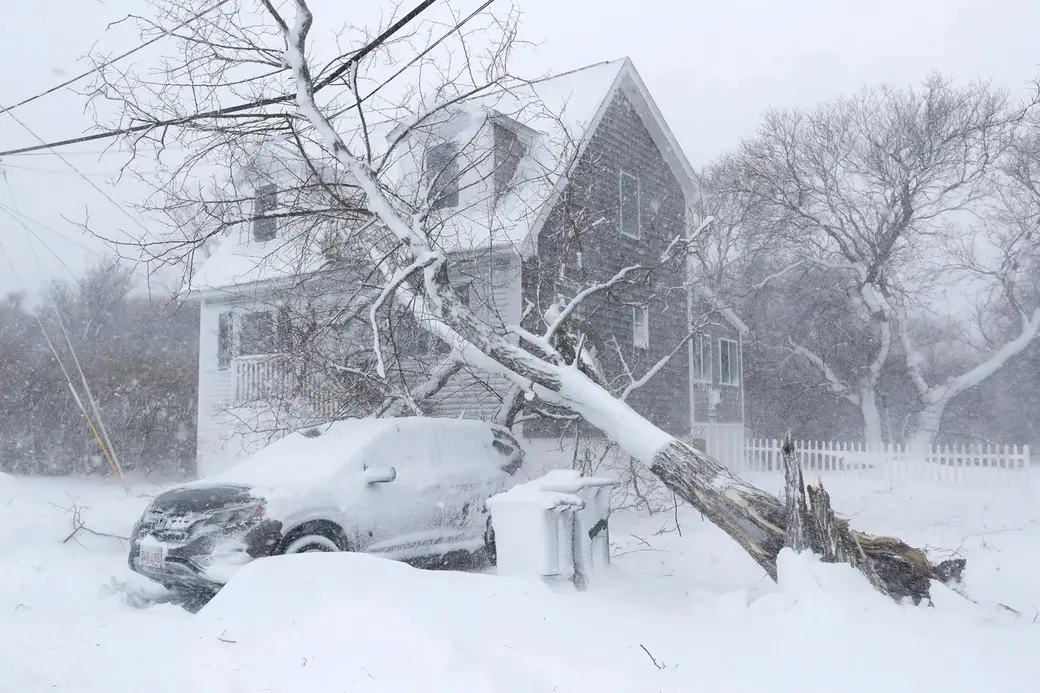
- Fallen trees that hit a structure on your property
What's typically not covered: flooding from snowmelt that enters through the ground (that's flood insurance territory), or damage from deferred maintenance — meaning if your roof was already in poor shape before the storm, the insurer may push back.
The #1 Mistake Homeowners Make: Waiting Too Long to Document
Before you call a contractor, take photos and video of everything. This is the single most important step. Walk your property. Shoot the damage from multiple angles. Check your attic for signs of water intrusion. Capture it all.
Real-world example: A homeowner in Cranston, RI discovers an ice dam has caused water to leak into their bedroom ceiling. The damage is visible — stained drywall, warped trim. They call a contractor first, who patches it up for $1,800. When they finally file a claim, the insurer disputes the payout because there's no documentation of the original damage extent. They end up with a partial settlement that barely covers their deductible.
Had they documented first, that same claim could have covered the full $1,800 repair — plus a roof inspection that turned up $4,200 in additional covered damage.
Step-by-Step: How to File Without Leaving Money on the Table
1. Document everything first (photos, video, dates/times). Don't clean up or repair anything until after an adjuster has seen it — or at least until you've photographed it thoroughly.
2. Make only emergency repairs if needed to prevent further damage (like tarping a hole in the roof). Keep all receipts. Most policies reimburse reasonable emergency mitigation costs.
3. Contact your insurer promptly. Most policies require you to report damage "in a timely manner." Waiting weeks without good reason can give the insurer grounds to reduce or deny your claim. In Massachusetts, insurers are required to acknowledge your claim within 15 days under state regulations — see MA DOI guidelines here.
4. Get your own estimate. Don't rely solely on the insurer's adjuster. Get one or two quotes from licensed local contractors. If the insurer's number is significantly lower, you have the right to negotiate — or invoke your policy's appraisal clause.
5. Know your deductible. Most standard policies have a flat deductible (often $1,000–$2,500). Some have a separate, higher wind/storm deductible. Check your declarations page before you file so there are no surprises.
A Quick Note on Ice Dams (Very Common in Southern MA and RI Right Now)
Ice dams form when heat escapes through your roof, melts snow at the peak, and refreezes at the cold eaves. The resulting ice backs up under shingles and water infiltrates your home. This is extremely common after heavy, wet snowfall like we just saw.
Example: An Attleboro, MA homeowner notices water stains on their second-floor ceiling a week after the blizzard. The ice dam did roughly $6,500 in damage — drywall, insulation, and hardwood floors. Their $1,500 deductible meant a net claim of $5,000. Because they documented the damage thoroughly and filed quickly, the claim was approved without dispute.
If you see icicles forming along your roofline — especially large, heavy ones — that's a warning sign worth investigating before the next thaw/freeze cycle.
Bottom Line
You pay your premiums every year. When a storm like this hits, you're entitled to make a claim if you have covered damage — and doing it right makes all the difference. Document first. File promptly. Get your own estimates. And don't let an insurer's initial number be the final word.
If you have questions about how a potential claim might affect your home's value, your ability to sell, or anything else related to your property here in Rhode Island or Southern Massachusetts — I'm always happy to talk it through.
Written by — David Cherry, REAL Broker LLC
Categories
Recent Posts