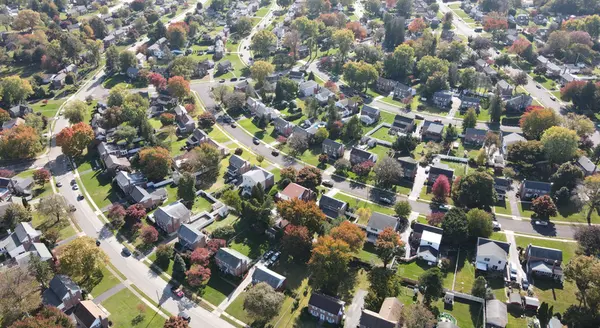
When Does It Make Sense to Rent Out Your Home Instead of Selling? (RI & MA Edition)

When Does It Make Sense to Rent Out Your Home Instead of Selling?
You're ready to move. Maybe you're upgrading, relocating for work, or downsizing now that the kids are gone. The obvious next step is to sell your current home—but what if you kept it and rented it out instead?
It's a question more Rhode Island and Southern Massachusetts homeowners are asking, especially as mortgage rates have climbed and home values have held strong. Selling might seem like the clean break, but renting could be the smarter financial move—if the numbers work.
Here's how to figure out which path makes sense for you.
When Renting Makes Sense
1. Your Mortgage Rate Is a Lot Lower Than Today's Rates
If you locked in a mortgage at 3% or lower a few years ago, you're sitting on a huge advantage. Selling means walking away from that rate. Renting lets you keep it—and that low monthly payment becomes a powerful wealth-building tool.
Real-world example:
Let's say you own a home in Warwick, RI. Your mortgage payment (principal + interest) is $1,400/month at 3.25%. Market rent for a similar home is $2,400/month. After property taxes ($400/month), insurance ($150/month), and setting aside $200/month for maintenance, you're netting around $250/month in cash flow—plus your tenants are paying down your mortgage and building your equity.
If you sold, you'd walk away with equity—but you'd lose that sub-3% loan forever. And if you're buying your next home at 6%+, your new mortgage payment will be significantly higher, even if you're buying a similar-priced property.
2. You're Moving Temporarily (Or Think You Might Come Back)
Maybe you're relocating for a job, testing out a new city, or moving to care for a family member. If there's a chance you'll return to Rhode Island or Southern Massachusetts in the next few years, renting preserves your option to move back without having to re-enter the market as a buyer.
This is especially relevant in areas like Newport, Narragansett, or the South Coast of Massachusetts, where seasonal demand and limited inventory make it hard to find (and afford) a home if you're starting from scratch.
3. The Market Timing Isn't Ideal
If home sales in your area have slowed, inventory has spiked, or you'd need to reduce your asking price to compete, renting buys you time. You can wait for market conditions to improve while still covering your costs and generating income.
In Rhode Island, we've seen pockets where days on market have ticked up and price reductions are becoming more common. If your home would likely sit or require a discount to sell, renting might be the better short-term play.
4. You Want to Build Long-Term Wealth
Real estate is one of the most reliable ways to build wealth over time—especially in markets like Rhode Island and Southern Massachusetts, where inventory stays tight and demand remains strong due to proximity to Boston, universities, hospitals, and the coast.
If you can afford to carry the property (more on that below), renting turns your former home into an income-producing asset. Over 10–20 years, your tenants pay off your mortgage while the property appreciates. When you eventually sell, you keep all that equity growth.
When Selling Makes More Sense
1. The Numbers Don't Work
If your mortgage, taxes, insurance, and maintenance costs exceed what you can realistically charge for rent, you'll lose money every month. And if you're counting on your current home's equity to fund your next purchase, you can't afford to tie up that cash.
Real-world example:
You own a condo in downtown Providence. Your monthly costs (mortgage, HOA, taxes, insurance) total $2,800. Market rent for similar condos is $2,200/month. You're losing $600/month before you even account for vacancies or repairs. In this scenario, selling makes more sense—you'd free up equity and eliminate a financial drain.
2. You Don't Want to Be a Landlord
Being a landlord isn't passive income. It's managing tenant calls, coordinating repairs, handling lease renewals, dealing with late payments, and staying on top of legal requirements (like lead paint disclosure laws in both RI and MA).
If you're moving out of state or don't have the time, energy, or interest to manage a rental, the stress might not be worth the upside. Even hiring a property manager (typically 8–10% of monthly rent) eats into your cash flow and doesn't eliminate all the headaches.
3. You Need the Equity Now
If your next move requires a large down payment, renovations, or debt payoff, you might not have the luxury of waiting for rental income to build wealth slowly. Selling gives you immediate liquidity.
4. The Property Won't Rent Well
Not every home makes a good rental. If your property is in a low-demand area, requires significant updates, or has features that don't appeal to renters (like a huge yard that needs constant maintenance), it might sit vacant or attract problematic tenants.
In Rhode Island and Southern Massachusetts, strong rental markets include areas near Brown, URI, Providence College, UMass Dartmouth, and military installations like Quonset. But rural or highly specialized properties? Those can be tougher to rent consistently.
Questions to Ask Yourself Before You Decide
✅ Can I afford to carry the property if it sits vacant for 1–2 months?
✅ Do I have enough cash reserves for unexpected repairs (roof, HVAC, plumbing)?
✅ Am I prepared to manage tenants—or pay someone to do it?
✅ Will rental income actually cover my costs and generate positive cash flow?
✅ Do I need my home's equity to buy my next property?
✅ Am I okay with the tax and legal responsibilities of being a landlord in RI or MA?
If you answered "no" to more than two of these, selling is probably the better move.
Final Thought
There's no one-size-fits-all answer. Renting works beautifully for some homeowners—especially those with low mortgage rates, strong rental demand, and the ability to manage (or afford to outsource) the work. But for others, selling is the cleaner, smarter choice.
The key is to run the numbers honestly, think about your lifestyle and financial goals, and make a decision based on facts—not emotions or assumptions.
If you're trying to decide whether to sell or rent your Rhode Island or Southern Massachusetts home, I'm happy to help you walk through the math. Sometimes just talking it through with someone who knows the local rental and sales markets can make the path forward a lot clearer.
Written by: David Cherry
Licensed in RI & MA | Here to help you make the decision that's right for your situation
Categories
Recent Posts